Business Name: FootPrints Home Care
Address: 4811 Hardware Dr NE d1, Albuquerque, NM 87109
Phone: (505) 828-3918
FootPrints Home Care
FootPrints Home Care offers in-home senior care including assistance with activities of daily living, meal preparation and light housekeeping, companion care and more. We offer a no-charge in-home assessment to design care for the client to age in place. FootPrints offers senior home care in the greater Albuquerque region as well as the Santa Fe/Los Alamos area.
4811 Hardware Dr NE d1, Albuquerque, NM 87109
Business Hours
Monday thru Sunday: 24 Hours
Facebook: https://www.facebook.com/FootPrintsHomeCare/
Instagram: https://www.instagram.com/footprintshomecare/
LinkedIn: https://www.linkedin.com/company/footprints-home-care
Supporting aging parents at home is rarely a single decision. It is a series of discussions, small adjustments, and course corrections as needs change. Families usually come to home care after a fall, a near-miss while driving, an uneasy medical facility discharge, or the slow realization that solitude is taking its toll.
Handled well, in-home senior care can extend independence by years, keep familiar regimens intact, and eliminate family caregivers from trying to do everything themselves. Dealt with poorly, it can cause burnout, unsafe situations, or parents who feel removed of control.
This guide strolls through the useful side of home care for parents, with a concentrate on safety and companionship, and with some particular notes for households thinking about Albuquerque home care and comparable communities.
Facing the Turning Point: When Home Care Becomes Necessary
Most households wait longer than they should to look at senior home care. That hold-up usually originates from love and fear in equivalent step. Parents wish to prevent feeling like a burden. Adult kids do not want to distress them or seem aggressive. So everybody silently compensates up until the scenario slips from "a bit dangerous" to "one bad day far from an emergency."

A couple of indications tend to show up consistently in homes where elder care assistance is overdue:
You notification ruined food in the fridge and missed out on medications. Your house, once neat, has cluttered sidewalks or piles of unopened mail. A parent stops driving at night or completely, then begins missing gatherings. You see unusual bruises, or they brush off near-falls with "I'm fine, I simply lost my balance."
These pictures matter less as separated events and more as patterns. When numerous of them surface over a couple of months, it is time to look seriously at in-home care alternatives, even if your parent firmly states they are "managing all right."
In my experience, starting that conversation early and gently, before a crisis, is among the kindest things you can do.
What "Home Care" In Fact Covers
Families typically use "home care" as a catch-all phrase, however it assists to distinguish the main types. The best mix depends on medical requirements, movement, cognition, and family support.
Non-medical home care is what many people imply by in-home care. A caregiver visits to aid with everyday jobs such as bathing, dressing, preparing meals, light housekeeping, errands, and, importantly, companionship. They do not supply competent nursing, but they may advise about medications, accompany to visits, and look for modifications in condition.
Home healthcare is clinical and typically bought by a doctor after a healthcare facility stay or for ongoing conditions. A nurse or therapist comes to the home to manage wounds, IVs, injections, physical treatment, or complicated medical routines. It is time-limited and focused on specific health goals.
Hybrid arrangements prevail. A parent may get short-term home health care after surgery, while non-medical senior home care continues later to keep safety and routine.
There are likewise live-in or around-the-clock at home senior care alternatives, which can be more cost-efficient than 24-hour per hour care if a parent requires constant presence however not continuous hands-on assistance.
In places like Albuquerque, where ranges can be long and public transportation restricted for senior citizens, trusted in-home care can bridge the space between overall self-reliance and a move to assisted living.
Balancing Safety and Independence
The hardest tension in elder care is in between keeping a parent safe and appreciating their autonomy. A completely "safe" environment that strips away all self-reliance usually backfires. Individuals become depressed, less determined, and often more confused.
A better goal is "safe enough" with supports that protect what your parent can still do. That indicates personalizing the level of help to their real capabilities, not their age on paper or your worst fears.
For example, a parent with moderate balance concerns who still enjoys cooking may accept help with grocery shopping, heavy lifting, and reaching high racks, while continuing to prepare simple meals. A caretaker can establish components and remain nearby in case of trouble, rather of taking over the kitchen entirely.
The discussion is not "You can't do this any longer." It is "Let's make it easier and less dangerous so you can keep enjoying it for longer."
A Practical Home Safety Scan
Before taking in elder care support, or as part of beginning it, stroll through the home with a crucial eye. Imagine your parent getting up during the night, using the bathroom, getting a treat, addressing the door, and handling a small emergency situation. Every step that feels uncomfortable to you will be harder for somebody with minimal strength, vision, or balance.
Here is a compact safety list you can adapt to your parent's home:
- Entryways: Exist safe railings, non-slip mats, and excellent lighting at all doors? Can emergency situation responders quickly access the home if needed? Floors and walkways: Are cables, loose rugs, or pet toys in paths where your parent strolls? Is there clear space around the bed and preferred chair? Bathrooms: Are grab bars installed near the toilet and inside the shower or tub? Exists a shower chair or non-slip surface? Lighting: Are corridors, stairs, and the course to the restroom well lit during the night with obtainable switches or nightlights? Emergency preparedness: Exists a phone or call gadget within reach from bed and primary seating areas, with emergency numbers clearly visible?
A reliable home care firm will often perform its own home safety evaluation as part of the consumption process. If you are organizing personal care, you can ask the caretaker to stroll through the home with you during the first visit and mention additional concerns from their perspective.
In Albuquerque and other high-desert locations, add weather-related concerns to your scan. Heat can be a major danger for older grownups. Check whether the home remains reasonably cool in summer, your parent understands how to utilize cooling systems, and someone is keeping track of during heat waves.
The Typically Overlooked Risk: Loneliness
Families usually focus first on physical safety: falls, medication management, driving. That is understandable. Yet the quiet danger in lots of homes is isolation.
Several research studies have linked persistent loneliness in older adults to higher dangers of depression, cognitive decline, and even mortality. You do not require the data to notice it, though. Ask a parent about their week and listen for how often they say "absolutely nothing much" or mention seeing buddies, next-door neighbors, or family.
Retirement, the death of peers, limited driving, and mobility concerns can shrink the world of an older adult to a couple of rooms and a television. That is where companionship-focused home look after parents ends up being so powerful.
A great caregiver does more than jobs. They become a routine social connection. They may prepare a favorite conventional dish with your parent, aid tend to a plant on the patio area, check out old image albums, go for brief walks, or simply offer a willing ear for stories your parent has told many times before. Those interactions matter as much as the tidy laundry and ready meals.
I have seen proud, reserved parents resist the idea of a "caregiver," just to later on describe them warmly as their "assistant" or even "buddy," once they realize the relationship has to do with partnership, not control.
When Memory Issues Make complex the Picture
Dementia and other cognitive modifications do not remove a person's preferences, however they do alter how you approach safety and companionship.
For a parent with early-stage memory loss, in-home senior care can extend the time they can remain in familiar environments. Caregivers can:
- structure the day with a simple routine, prompt medications and meals, gently redirect repetitive questions without inflammation, and monitor risky tasks like cooking with the stove.
Once roaming, frequent nighttime confusion, or hostility appear, the care plan frequently requires to move. At that point, many families consider over night care, door alarms, or protected courtyards for those who take pleasure in walking.
In Albuquerque, where daytime temperature levels differ and some communities have busy roads nearby, roaming brings special danger. Agencies with memory-care experience will generally recommend useful tools such as ID bracelets, door chimes, and simple, consistent visual hints inside the home to direct your parent to the bathroom, bedroom, and kitchen.
With cognitive decrease, companionship ends up being more about existence than discussion. A caregiver who can sit calmly through repeated stories, involve your parent in small tasks like folding towels, and notice nonverbal indications of discomfort adds real quality to each day.
Family Caregivers: Limits, Guilt, and Sensible Roles
Adult children often begin as the main caretakers before connecting for official elder care. They come by daily, do grocery runs, coordinate medications, drive to visits, and manage paperwork. Lots of hold full-time tasks and care for kids of their own.
At initially, this can feel workable. In time, it becomes a second shift. Sleep, health, and relationships suffer. Animosity creeps in, normally mixed with regret, because "it is my parent, I should have the ability to do this."
One of the most valuable functions of in-home care is not only helping the parent, however redefining the adult kid's role. Rather of being the maid, nurse, and driver, you can end up being the daughter or son once again. You visit to share a meal, bring the grandkids, or go through old photos, understanding the day-to-day jobs are covered.
Caregiving capacity has limitations. Disregarding those limitations does not make you more loving. It makes you most likely to become ill or restless, which in turn harms the very parent you are trying to secure. Bringing in senior home care is not desertion. It is an investment in a more sustainable, gentle plan for everyone.
Choosing an In-Home Care Service Provider Wisely
Not all home care firms, and not all private caregivers, are alike. The relationship will be intimate. This person or group will see inside your parent's life, notification vulnerable moments, and often become an extension of the household. Due diligence is not optional.
When screening companies or independent caretakers, use a brief, focused set of concerns:
- What specific services are consisted of, and what is outside the scope of their role? How do they screen, train, and supervise caregivers? How do they manage schedule changes, caregiver disease, and emergencies? What is their experience with your parent's particular conditions, such as Parkinson's, diabetes, or dementia? How do they communicate with household, specifically if something appears wrong?
In Albuquerque and similar cities, you will see a mix of nationwide franchise firms, regional business, and independent caregivers who work independently. Each path has trade-offs.
Agencies generally provide background-checked staff, backup protection, and liability insurance coverage. Communication channels tend to be clearer. The downside can be higher hourly expense and occasional caretaker turnover.
Independent caretakers might cost less and use more versatile functions, but you presume obligation for vetting, payroll, taxes, and backup plans. You likewise need to consider what occurs if your caregiver is ill or has a household emergency situation. Some families mix both: an agency for trustworthy baseline protection, plus a relied on personal caregiver for additional hours.
Whenever possible, include your parent in the final option. Even a short meet-and-greet before beginning routine shifts can expose a lot about character fit. A technically competent caregiver who rubs your parent the incorrect method will not work long term.
Setting Expectations and House Rules
Starting home take care of parents is smoother when expectations are specific. Lots of early disputes develop not from major disputes, but from unspoken assumptions.
If your parent frowns at "a complete stranger touching my things," negotiate which jobs feel comfy. Possibly they choose to continue managing their individual documents but are fine with assistance in the kitchen area. If modesty is a concern, begin with same-gender caregivers for bathing and dressing till trust develops.
Clarify useful points: where the caretaker can park, which doors to utilize, how to manage secrets or alarm systems, and where cleansing supplies are kept. Make it clear who they ought to call for what: a medical emergency situation, a transportation concern, a scheduling issue.
I often suggest households write a one-page "house guide" that covers:
Their parent's day-to-day regimen, choices, and quirks.
Secret contacts with phone numbers. Any health red flags that need instant calls. Easy notes on food preferences and cultural or religious considerations.This turns vague https://stephenbgpj145.cavandoragh.org/home-care-and-fall-prevention-keeping-seniors-safe-in-their-own-residences expectations into something concrete the caregiver can reference. It likewise signals regard. You are welcoming them into an existing world, not expecting them to guess the rules.
Money, Insurance coverage, and What Is Realistic
Paying for at home elder care is challenging for lots of households. In the United States, traditional Medicare covers home health care in minimal circumstances, but it normally does not pay for non-medical in-home senior care like help with bathing, cooking, or companionship.
Some Medicare Benefit plans and long-term care insurance policies offer partial protection for non-medical home care, but eligibility and advantages differ commonly. Veterans and their spouses might get approved for assistance through certain VA programs. Medicaid may cover senior home look after those with low earnings and possessions, particularly through waiver programs, but again the specifics are state-dependent.
In Albuquerque and throughout New Mexico, home care hourly rates frequently reflect regional labor markets and expense of living. Agencies might need a minimum variety of hours per visit or weekly. Before dedicating, draw up what you can realistically manage monthly and over a year, not simply what feels possible this week.
Families sometimes start with fewer hours than they eventually need, meaning to "see how it goes," then find themselves in a crisis and rushing to add more coverage quickly. A more steady technique is to specify tiers:
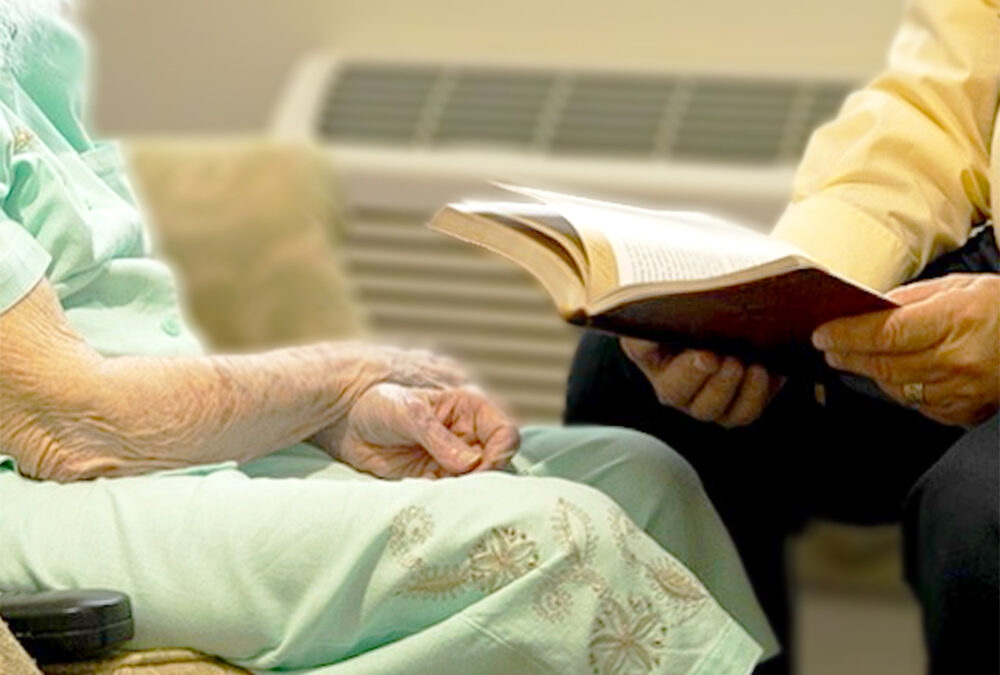
Baseline coverage that is sustainable long term, such as early mornings 3 days a week.
An intermediate level you can include momentarily after hospitalizations or during family travel.An optimal level that would activate a re-evaluation of whether staying at home still makes sense.
Thinking in tiers helps you anticipate both costs and decision points, instead of wandering into higher levels of care without noticing the monetary impact.
Specific Factors to consider for Albuquerque Home Care
Every community shapes senior home care in its own way. For Albuquerque and comparable Southwestern cities, a few useful points should have emphasis.
Climate is a significant element. High summer season temperatures, extreme sun, and often bad air quality during fire season can all impact older adults. When talking to firms or caretakers, ask how they monitor heat dangers, encourage hydration, and adjust activities seasonally. Something as easy as a caretaker ensuring your parent has fresh water within reach and closing blinds during peak heat can prevent severe problems.
Geography matters. Albuquerque's spread-out communities indicate transportation is essential for medical consultations, grocery shopping, and social visits. Verify whether caretakers can drive your parent, what insurance coverage covers transport, and how far they want to travel. If your parent has preferred locations, such as a particular church, senior center, or park, include those locations in the care plan.
Cultural context also forms expectations. Albuquerque has deep Hispanic and Native neighborhoods where multigenerational households and strong household caregiving traditions are common. This can make accepting outside assistance feel like a betrayal of household task. If that resonates, frame home care not as replacing the family, however as supporting it: "We desire you to have someone with you when we can not be here, so we can all feel more at ease."
Many local senior centers, faith communities, and neighborhood associations around Albuquerque likewise offer social programs, workout classes, and meal services. An attentive caretaker can help bridge your parent into those activities, developing a broader network of connection beyond the home.
Building a Sustainable Care Plan
Home take care of parents is not a one-time setup. Needs change. Caregivers alter. Spending plans shift. The most steady arrangements are dealt with as living systems rather than repaired contracts.
Plan for routine check-ins. When a month, or a minimum of quarterly, sit down with your parent, the primary caregiver or firm agent, and key relative. Review what is working, what feels intrusive, what safety concerns have emerged, and whether hours or jobs need adjustment.
Watch for subtle modifications. A parent who as soon as walked unassisted now reaches for furniture more frequently. The once-used stove remains cold, and microwave meals pile up. Or possibly your parent ends up being more withdrawn despite the fact that physical requirements appear stable. Each of these signals might point to a various adjustment: more mobility support, more meal assistance, or more deliberate companionship and activities.
Remember that stopping or minimizing home care later is not failure. Some parents regain strength after rehab or get used to new routines and require less help. Others advance to a point where assisted living or memory care is the kinder alternative for safety and supervision. The step of success is not "keeping them in the house at all expenses," but lining up support with their existing requirements and dignity.
Bringing It Back to What Matters
Behind the logistics of elder care, the checklists and interviews and schedules, there is generally a simple desire: you want your parent to be safe and not alone, without losing themselves in the process.
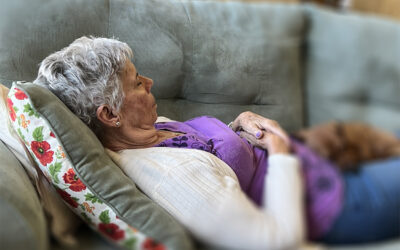
Thoughtful home care for parents can meet that desire usually. It means taking the time to comprehend what "home" actually implies to them, which routines anchor their days, what small enjoyments brighten their mood, and what fears they bring about aging.
Safety steps like grab bars, clear walkways, and medication reminders minimize severe threats. Companionship, whether through household, next-door neighbors, or trusted caretakers, secures against the slower, quieter dangers of isolation and despair.
No care strategy will ever be perfect, and there will be hard days. Yet with realistic expectations, a willingness to change, and the right assistance group, at home senior care can honor both your parent's independence and their requirement for protection. You are not choosing between love and functionality. You are utilizing practical tools to express love in such a way that can endure.
FootPrints Home Care is a Home Care Agency
FootPrints Home Care provides In-Home Care Services
FootPrints Home Care serves Seniors and Adults Requiring Assistance
FootPrints Home Care offers Companionship Care
FootPrints Home Care offers Personal Care Support
FootPrints Home Care provides In-Home Alzheimer’s and Dementia Care
FootPrints Home Care focuses on Maintaining Client Independence at Home
FootPrints Home Care employs Professional Caregivers
FootPrints Home Care operates in Albuquerque, NM
FootPrints Home Care prioritizes Customized Care Plans for Each Client
FootPrints Home Care provides 24-Hour In-Home Support
FootPrints Home Care assists with Activities of Daily Living (ADLs)
FootPrints Home Care supports Medication Reminders and Monitoring
FootPrints Home Care delivers Respite Care for Family Caregivers
FootPrints Home Care ensures Safety and Comfort Within the Home
FootPrints Home Care coordinates with Family Members and Healthcare Providers
FootPrints Home Care offers Housekeeping and Homemaker Services
FootPrints Home Care specializes in Non-Medical Care for Aging Adults
FootPrints Home Care maintains Flexible Scheduling and Care Plan Options
FootPrints Home Care is guided by Faith-Based Principles of Compassion and Service
FootPrints Home Care has a phone number of (505) 828-3918
FootPrints Home Care has an address of 4811 Hardware Dr NE d1, Albuquerque, NM 87109
FootPrints Home Care has a website https://footprintshomecare.com/
FootPrints Home Care has Google Maps listing https://maps.app.goo.gl/QobiEduAt9WFiA4e6
FootPrints Home Care has Facebook page https://www.facebook.com/FootPrintsHomeCare/
FootPrints Home Care has Instagram https://www.instagram.com/footprintshomecare/
FootPrints Home Care has LinkedIn https://www.linkedin.com/company/footprints-home-care
FootPrints Home Care won Top Work Places 2023-2024
FootPrints Home Care earned Best of Home Care 2025
FootPrints Home Care won Best Places to Work 2019
People Also Ask about FootPrints Home Care
What services does FootPrints Home Care provide?
FootPrints Home Care offers non-medical, in-home support for seniors and adults who wish to remain independent at home. Services include companionship, personal care, mobility assistance, housekeeping, meal preparation, respite care, dementia care, and help with activities of daily living (ADLs). Care plans are personalized to match each client’s needs, preferences, and daily routines.
How does FootPrints Home Care create personalized care plans?
Each care plan begins with a free in-home assessment, where FootPrints Home Care evaluates the client’s physical needs, home environment, routines, and family goals. From there, a customized plan is created covering daily tasks, safety considerations, caregiver scheduling, and long-term wellness needs. Plans are reviewed regularly and adjusted as care needs change.
Are your caregivers trained and background-checked?
Yes. All FootPrints Home Care caregivers undergo extensive background checks, reference verification, and professional screening before being hired. Caregivers are trained in senior support, dementia care techniques, communication, safety practices, and hands-on care. Ongoing training ensures that clients receive safe, compassionate, and professional support.
Can FootPrints Home Care provide care for clients with Alzheimer’s or dementia?
Absolutely. FootPrints Home Care offers specialized Alzheimer’s and dementia care designed to support cognitive changes, reduce anxiety, maintain routines, and create a safe home environment. Caregivers are trained in memory-care best practices, redirection techniques, communication strategies, and behavior support.
What areas does FootPrints Home Care serve?
FootPrints Home Care proudly serves Albuquerque New Mexico and surrounding communities, offering dependable, local in-home care to seniors and adults in need of extra daily support. If you’re unsure whether your home is within the service area, FootPrints Home Care can confirm coverage and help arrange the right care solution.
Where is FootPrints Home Care located?
FootPrints Home Care is conveniently located at 4811 Hardware Dr NE d1, Albuquerque, NM 87109. You can easily find directions on Google Maps or call at (505) 828-3918 24-hoursa day, Monday through Sunday
How can I contact FootPrints Home Care?
You can contact FootPrints Home Care by phone at: (505) 828-3918, visit their website at https://footprintshomecare.com, or connect on social media via Facebook, Instagram & LinkedIn
A ride on the Sandia Peak Tramway or a scenic drive into the Sandia Mountains can be a refreshing, accessible outdoor adventure for seniors receiving care at home.